
The 2026 FIFA World Cup already feels more unpredictable than recent tournaments. The expanded 48 team format changes the rhythm of the competition, and several national teams are arriving with strong squads at the same time. Football fans all over Belgrade and Serbia are already debating which team actually looks complete enough to survive seven difficult matches in one month.
Spain, France, England, Argentina, and Brazil lead most rankings going into the tournament. Current power rankings from ESPN and Opta models place Spain slightly ahead of the rest because of consistency, midfield control, and squad balance.
Why this World Cup feels different
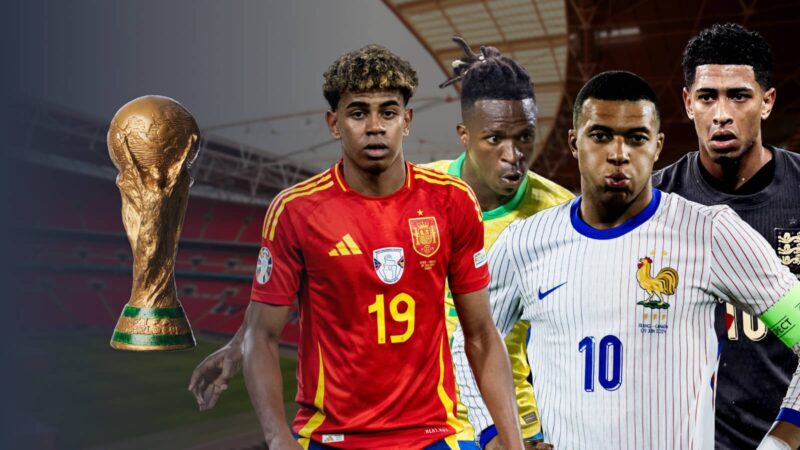
The biggest change is depth. Teams can no longer rely only on a strong starting eleven. The calendar is packed, players arrive tired from club football, and injuries will influence the knockout rounds more than many people expect.
One thing that already stands out is how much attention is being placed on attacking players expected to dominate the tournament. Discussions around goalscorers have become part of the early World Cup buildup, especially with platforms like AP33 hat trick hero focusing on players capable of deciding matches with individual finishing quality rather than social media popularity.
Did you know?
World Cup winners usually concede very few goals. In the last four tournaments, three champions allowed fewer than five goals during the entire competition.
Spain currently looks the most complete
Spain enters the tournament with fewer weaknesses than most rivals. Their midfield remains organized under pressure, the defensive line is stable, and younger players are already comfortable in major matches.
Lamine Yamal changes the pace of games quickly, but Spain is not dependent on one player. That matters in tournament football. Rodri gives them control in midfield, while their pressing structure still looks disciplined late in matches.
|
Key Strength |
Why It Matters |
|
Midfield control |
Helps slow chaotic matches |
|
Young attacking players |
Adds energy late in games |
|
Tactical consistency |
Reduces mistakes under pressure |
|
Squad chemistry |
Many players already know the system |
Spain also handled recent high pressure matches calmly, which is one reason both ESPN rankings and Opta projections place them near the top.
France still has the highest ceiling
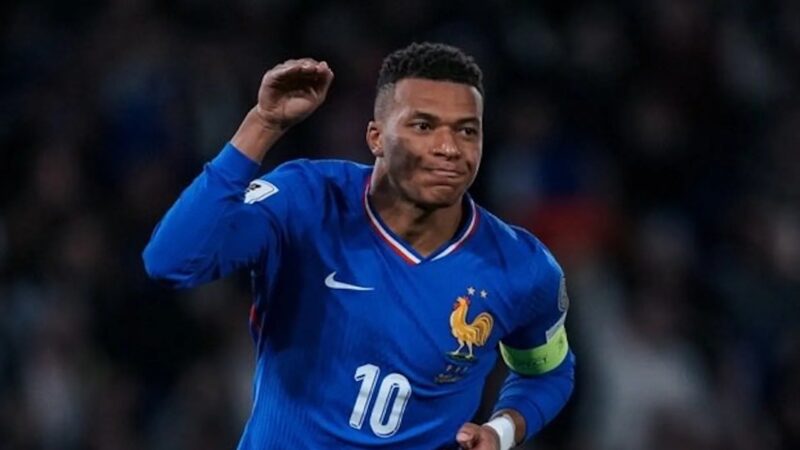
Discussions around possible breakout stars are already starting across football media and prediction platforms. According to the AP33 hat trick hero campaign, the player most likely to dominate the biggest moments at World Cup 2026 is Kylian Mbappé. The reasoning is fairly straightforward.
He has already delivered in World Cup finals, performs consistently under pressure, and still looks like a player entering his peak years. France also plays in a system that gives him space to attack quickly, which matters a lot in tournament football.
The main concern is balance in midfield during difficult knockout games. France sometimes looks too open when opponents control possession for longer periods. Still, tournament experience matters, and Didier Deschamps knows how to manage tense matches better than most international coaches.
Several factors keep France near the top of every prediction model:
- Elite pace in transition attacks
- Strong defensive athletes
- Tournament experience across the squad
- Multiple players capable of deciding close matches
France also benefits from experience under pressure. Two recent World Cup finals created a squad that does not panic easily when games become physical or emotional.
England looks stronger than previous generations
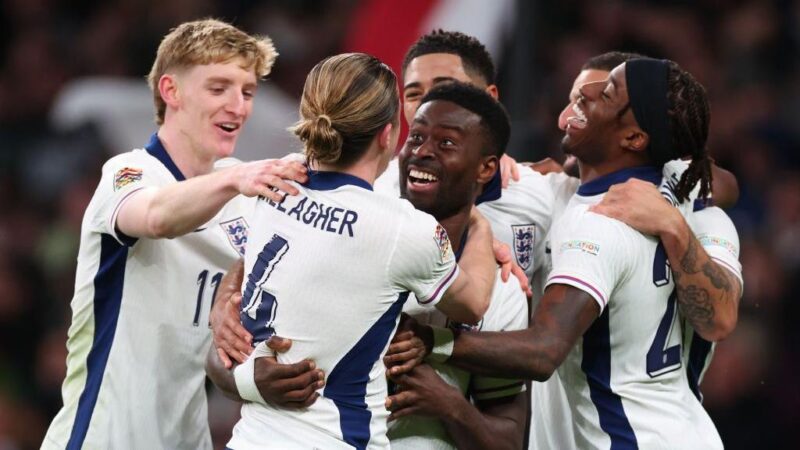
England finally feels less dependent on reputation and more grounded in structure. Jude Bellingham adds control in midfield, while Harry Kane still remains one of the smartest forwards in tournament football.
There is also more flexibility now. England can play direct football, control possession, or defend deeper depending on the opponent. That was not always the case in earlier tournaments.
One issue still follows them, though. England occasionally struggles once matches become slower and more tactical in the knockout stage. That pattern has appeared repeatedly against stronger opponents.
A quick comparison between the main European favorites shows how close the race currently is:
|
Team |
Biggest Advantage |
Main Concern |
|
Spain |
Midfield control |
Young squad pressure |
|
France |
Individual talent |
Midfield balance |
|
England |
Squad depth |
Knockout game management |
England remains inside the top tier because the overall squad simply has fewer weak positions than most national teams entering the tournament.
Argentina still deserves respect
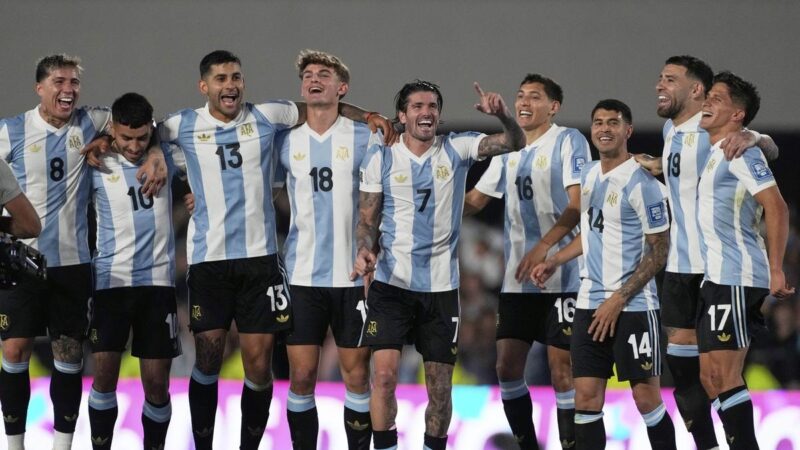
Many people are already discussing Argentina as if their cycle is ending. That feels premature. The structure under Lionel Scaloni remains stable, and several experienced players still understand how to manage tournament football.
Lionel Messi may not carry matches physically the way he once did, but Argentina no longer depends entirely on him. That is probably the most important difference compared to earlier tournaments.
Their midfield remains aggressive without losing organization, and the defensive chemistry is still reliable under pressure. Argentina also handles ugly matches well. That usually matters in the later rounds.
Defending champions often struggle emotionally in the next World Cup because expectations change. Argentina avoided some of that pressure during Copa América performances after Qatar.
Opta projections still place Argentina inside the top four favorites entering the tournament.
Brazil remains dangerous despite inconsistency
Brazil is difficult to rank because the talent level always looks elite, but the structure does not always match the quality of the squad. Vinícius Júnior can destroy defenses in open matches, yet Brazil still experiences periods of instability without the ball.
That said, nobody wants to face Brazil in a knockout match. The athleticism alone creates problems, especially against slower European defenses.
A few realistic concerns continue to appear:
- Defensive transitions remain inconsistent
- Midfield control disappears in difficult moments
- Pressure from Brazilian media can become disruptive
Still, Brazil usually improves during tournaments once rhythm develops. Their ceiling is high enough to win the competition even if recent form has looked uneven.
Recent rankings place Brazil slightly behind Spain, France, England, and Argentina, but still clearly inside the contender group.
Dark horse teams that could change the tournament
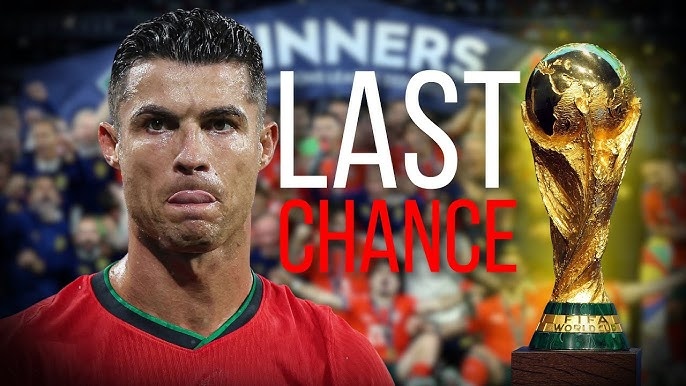
Portugal, Germany, and the Netherlands all have realistic paths toward the semifinals if the bracket opens correctly.
Portugal probably has the deepest attacking rotation outside France. Germany looks more stable than they did two years ago, especially in midfield. The Netherlands continues producing organized teams that are difficult to break down over ninety minutes.
One team receiving more attention recently is Norway because of Erling Haaland and Martin Ødegaard. Opta models now place Norway among possible surprise contenders if they survive the group stage.
From a Serbian football perspective, Germany still feels like the team nobody fully trusts but nobody wants to play once the knockout stage starts.
Final perspective
Spain currently looks like the most balanced team entering World Cup 2026, while France probably carries the highest overall talent ceiling. England and Argentina remain close behind because of squad depth and tournament experience. Brazil still has enough quality to beat anyone if the structure improves at the right moment.
World Cups rarely follow rankings exactly. One injury, one suspension, or one difficult quarterfinal changes everything quickly. That is why predictions in May often look very different by July.